Table Of Content

However, it’s important to understand the meaning behind the hair pulling to ensure that both partners are comfortable and consenting. In this article, we will explore the various reasons why a guy might pull your hair during intimacy and what it could mean for your relationship. Instead of feeling supported or understood, they feel they have to hide their behavior or be judged and ridiculed.
Trichotillomania Treatment
Supplementing with the amino acid N-acetylcysteine has proven effective at reducing hair-pulling behaviors in some small studies. Individuals with co-occurring mental health disorders may be more likely to seek treatment, evidence suggests. People with both TTM and depression, for example, may be inclined to seek help for their depressive symptoms; this may, in turn, lead to help with hair pulling. Trichotillomania is a condition characterized by a compulsive urge to pull out one’s hair.
Q: What emotional toll can a hair-pulling disorder have?
What does all this mean for how women experience vaginal penetration? Sadly, according to the World Health Organization, 8 percent to 21 percent of women experience pain during penetration. This pain can be due to not being aroused enough prior to intercourse or due to a medical issue (so if you are experiencing this, please see a sexual medicine physician). Nevertheless, countless women greatly enjoy intercourse, finding it an arousing (sometimes orgasmic) and incredibly intimate way to connect with a partner. And now we now have a published study, from an OMGYES Pleasure Report, on what women do to enhance sexual pleasure and orgasm during penetration. Anxiety is a common trigger for pulling episodes; for many with trich, pulling can be soothing and may provide temporary relief from feelings of anxiety (though such relief is rarely long-lasting).
Symptoms
The connection between trauma and trichotillomania is not fully understood. Other studies suggest that experiencing trauma may increase the severity of hair-pulling, even if the former doesn’t necessarily cause the latter. The disorder is usually chronic and lifelong, but its severity may ebb and flow with time. You may do both automatic and focused hair pulling, depending on the situation and your mood. Certain positions or activities may trigger pulling out hair, such as resting your head on your hand or brushing your hair. ADHD is a mental health condition that affects focus, attention, activity, and concentration.
Need support or more information?
Individuals with trichotillomania are more likely than others to have first-degree relatives with the condition, suggesting that the disorder runs in families and has a genetic element. But experts believe that while a tendency to pull out one’s hair may be inherited to some extent, genes are not solely responsible for the development of trichotillomania. Trichotillomania is one of several body-focused repetitive behaviors (BFRBs) currently classified in the DSM-5 as Obsessive Compulsive and Related Disorders.
If You're Having This Kind of Sex, You May Be Healthier - Glamour
If You're Having This Kind of Sex, You May Be Healthier.
Posted: Mon, 03 Jun 2013 07:00:00 GMT [source]
'Slapped, hair pulled, sexual assault': 37% of women experienced violence by husbands in Telangana - NewsMeter
'Slapped, hair pulled, sexual assault': 37% of women experienced violence by husbands in Telangana.
Posted: Mon, 29 Nov 2021 08:00:00 GMT [source]
This can involve any of the senses, such as the sound of pulling out a hair or rubbing it against your hand, the feeling or taste of hair in your mouth, or other sensations. Permanent scarring is much more likely to be connected with sexual hair pulling that causes damage to the skin’s surface layers. Scar tissue is a persistent condition that, when present, usually kills stem cells.

How can Pulling Hair During Sex Causes Damage?
Do not dump your hair fetish and desires if your partner is not comfortable with them. But, without any hesitation, you should definitely carry out your sexual desires and explore more. Whether it is aggressive or not, you should always maintain the silver lining between pain and pleasure. Therapy is considered the front-line treatment for all BFRBs, including trich.
If not treated, symptoms may come and go for weeks, months or years at a time. For example, hormone changes during the menstrual period can worsen symptoms in some females. This can cause a lot of distress and can affect your work, school and social life. In such cases, it is not possible to observe the facial expression of your partner whether they are enjoying it or not, so always ensure to communicate with them about how they are feeling. Pulling hair during sex gives one of the best BDSM experiences, similar to using spreader bars, whether you prefer having rough or lousy sex. Do not hesitate to try them as they can actually give you an unforgettable experience.
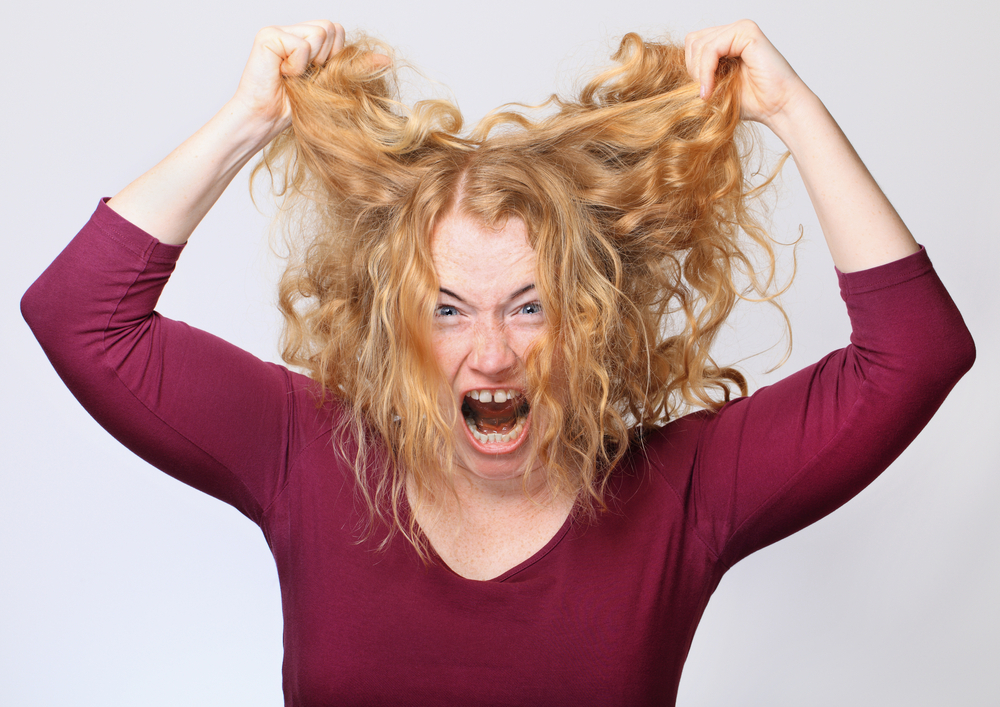
After touching their skin or hair, they feel an irregularity, which produces an intense impulse to pick or pull. Many report picking or pulling when they feel under- or over-stimulated. Sitting in a car, watching TV, or sitting in front of the computer, the urge can feel automatic as your hand slowly moves towards the areas you generally pick or pull. With focused pulling, people know that they are doing it but can't stop themselves. People sometimes have rituals or routines for focused pulling, like playing with the hair you pull, tasting it, or smelling it.
Hair pulling, being pinned down, hard thrusting, spanking, and throwing someone onto the bed were found to create one cluster of behaviors for both men and women. The second cluster consisted of being tied up, slapping, choking, punching, and making someone have sex. Across genders, tearing off clothes was the only notable difference, with women having this fitting in with the first cluster and men having it as a separate third cluster. But while you may want to hide the effects, don’t hide the disorder.
While ADHD is not an impulse control disorder like trichotillomania, it can cause problems with impulse control. For this reason, scientists think ADHD and trichotillomania might have some connection with each other, but scientists are still learning about these links. Make sure to tell your care team if you experience obsessive thoughts, compulsions, anxiety, or fear. Your mental health professional can help you figure out if you have OCD or an anxiety disorder and include helping you feel better in your treatment plan. Trichotillomania is also linked to anxiety, but scientists don't fully understand the relationship. For example, some people with trichotillomania might feel anxious or depressed because they are embarrassed about pulling.
One last reminder, check with your partner for Consent once again and keep doing it even while you’re at it. Trust us, it doesn’t kill the mood and only ends up making your partner feel more into it. Communicate the boundaries and limitations beforehand, within your comfort levels, as individuals. Even if you wish to violate the boundaries, discuss it and give a heads up which goes a long way. Interestingly, there are factual backings to the mere feeling of pleasure that is attached to Pulling hair sexually.
Indeed, while this study focused on pleasure during penetration, it's essential to recall that for some women orgasm is easiest achieved through clitoral stimulation alone. Again, some women's most reliable route to orgasm is clitoral stimulation plus penetration and for others, it's clitoral stimulation alone. Very few women say they most reliably orgasm from just penetration. Some people may enjoy having their hair pulled during sexual activity.


No comments:
Post a Comment